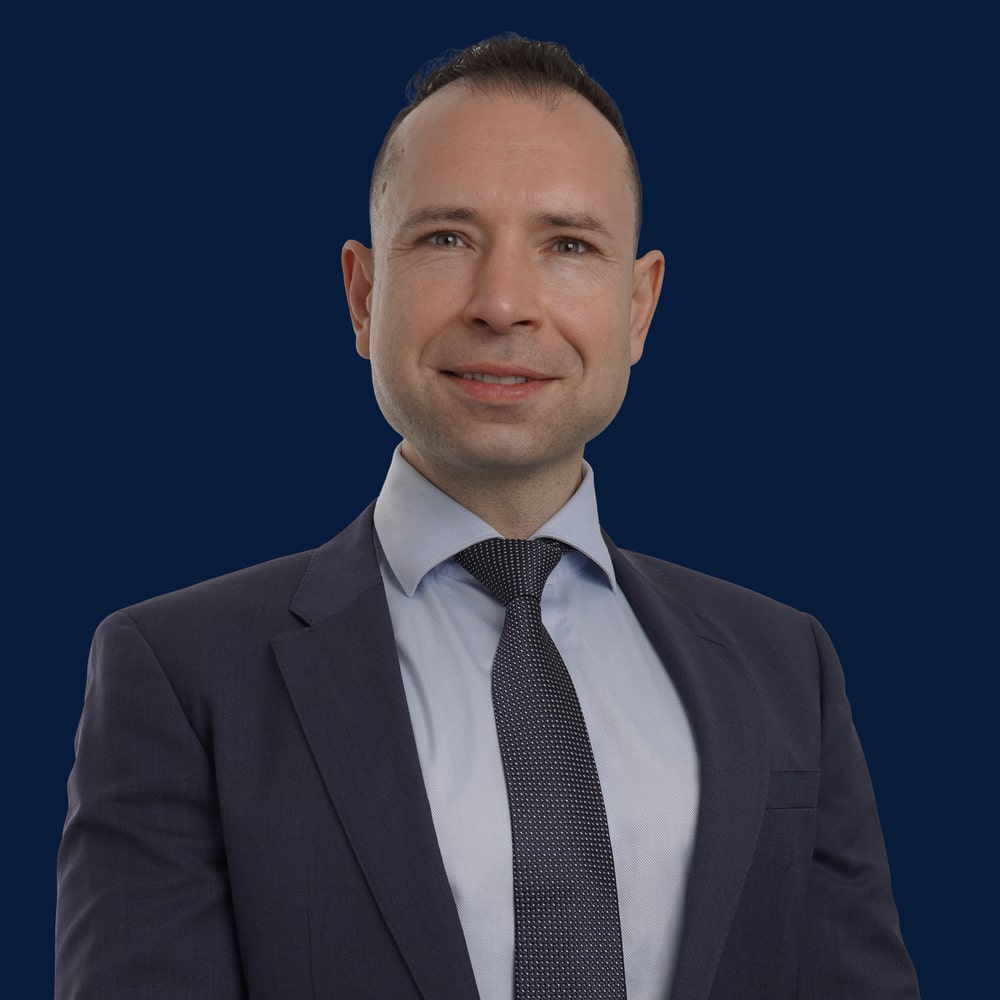


Multiple Sclerosis and Demyelinating Diseases Clinic
Accurate diagnosis. Advanced and timely treatment, and personalized support for quality of life preservation.
Multiple sclerosis (MS) is a chronic autoimmune disease of the central nervous system – the brain and spinal cord. In this disease, the immune system attacks myelin, the protective sheath of nerve fibers, which is responsible for normal conduction of nerve signals.
This damage causes disruption in communication between different areas of the brain and between the brain and the body, manifesting in a wide range of neurological symptoms. The course of the disease varies from person to person – with recurrent attacks, gradual worsening, or a combination of both.
In these conditions, paramount importance is given to accurate diagnosis, thorough differential diagnosis, evidence-based treatment decisions, and continuous medical monitoring.
The Multiple Sclerosis and Demyelinating Diseases Clinic at Malicov Center
The clinic, directed by Dr. Lidia Farhobova – a neurologist with extensive clinical and academic experience, and an internationally recognized expert in the diagnosis and treatment of multiple sclerosis and other demyelinating diseases of the central nervous system – offers a comprehensive, advanced, and personalized medical approach.
The center specializes in the diagnosis and treatment of all types of multiple sclerosis, as well as other demyelinating diseases such as NMOSD, MOGAD, and others.
In addition, the center performs:
- Diagnosis of complex and unclear neurological cases
- Differential diagnosis of conditions that can mimic multiple sclerosis
- Expert second opinion
- Access to a dedicated day hospitalization unit for infusions, including monoclonal antibody treatments, under the supervision of an experienced medical team in the field
The center’s activities are based on the most current international guidelines and on the use of advanced diagnostic and treatment methods.
When is consultation recommended?
Consultation at the center is recommended in the following cases:
- MRI findings raising suspicion of demyelinating disease
- Diagnosis that is not clear-cut or requires additional confirmation
- Need for a second opinion before starting treatment
- Change in disease course
- Consideration of starting immunotherapy or changing existing treatment
- Need for organization and supervision of infusion treatment (including monoclonal antibodies) in a dedicated setting
High-precision diagnosis
Diagnosis is performed according to international criteria (McDonald) and includes:
- Neurological examination and comprehensive clinical assessment
- MRI of the brain and spinal cord using dedicated protocols
- Immunological tests (AQP4, MOG)
- Cerebrospinal fluid examination, as needed
- Neurophysiological tests
- OCT
When necessary, additional advanced methods are also used:
- Neurofilament (NfL) testing as a marker for nerve damage
- Quantitative assessment of brain atrophy using advanced MRI analysis
- Dynamic monitoring of disease activity
Special importance is given to differential diagnosis, as there are many medical conditions that can resemble multiple sclerosis.
Advanced treatment
Treatment is personalized for each patient, according to the type of disease, its activity level, and individual clinical characteristics.
Treatment options include:
- Treatment of attacks (high-dose steroid pulses)
- Disease-modifying therapies (DMTs):
- Monoclonal antibodies (such as Ocrelizumab, Natalizumab, Ofatumumab, and others)
- Oral therapies (such as Fingolimod, Cladribine, and others)
Treatment efficacy and safety are continuously evaluated, with treatment adjustments and modifications made as needed.
Long-term monitoring and disease control
Treatment at the center does not end with diagnosis and treatment initiation, but includes ongoing support:
- Assessment of disease activity
- Detection of progression
- Evaluation of treatment efficacy
- Timely treatment adjustment or escalation
Monitoring is based on clinical data, MRI imaging, and additional biomarkers.
Symptomatic treatment and rehabilitation
Alongside treatment of the disease itself, care is also provided for symptoms and daily functioning:
- Treatment of spasticity, pain, and fatigue
- Treatment of gait and balance disorders
- Treatment of bladder dysfunction
- Cognitive support
When necessary, advanced rehabilitation technologies are also recommended:
- Functional electrical stimulation devices (including for gait improvement)
- Neuromuscular stimulation systems
- Assistive devices
- Cooling systems for heat sensitivity
Depending on the condition, referrals will be made for additional specialized treatments, such as botulinum toxin injections, neuromodulation, and others.
Personalized and patient-centered approach
Treatment at the center is based on a long-term perspective and full collaboration with the patient:
- Clear and thorough explanation of the diagnosis
- Shared decision-making regarding treatment
- Adaptation of treatment to the patient’s lifestyle
For additional information and to schedule
a consultation appointment, contact us
at Tel: 03-6140614
or leave your details
Led by Dr. Lidia Farhobova MD, PhD - a neurologist specializing in the diagnosis and treatment of multiple sclerosis, NMOSD, MOGAD, and autoimmune diseases of the central nervous system.
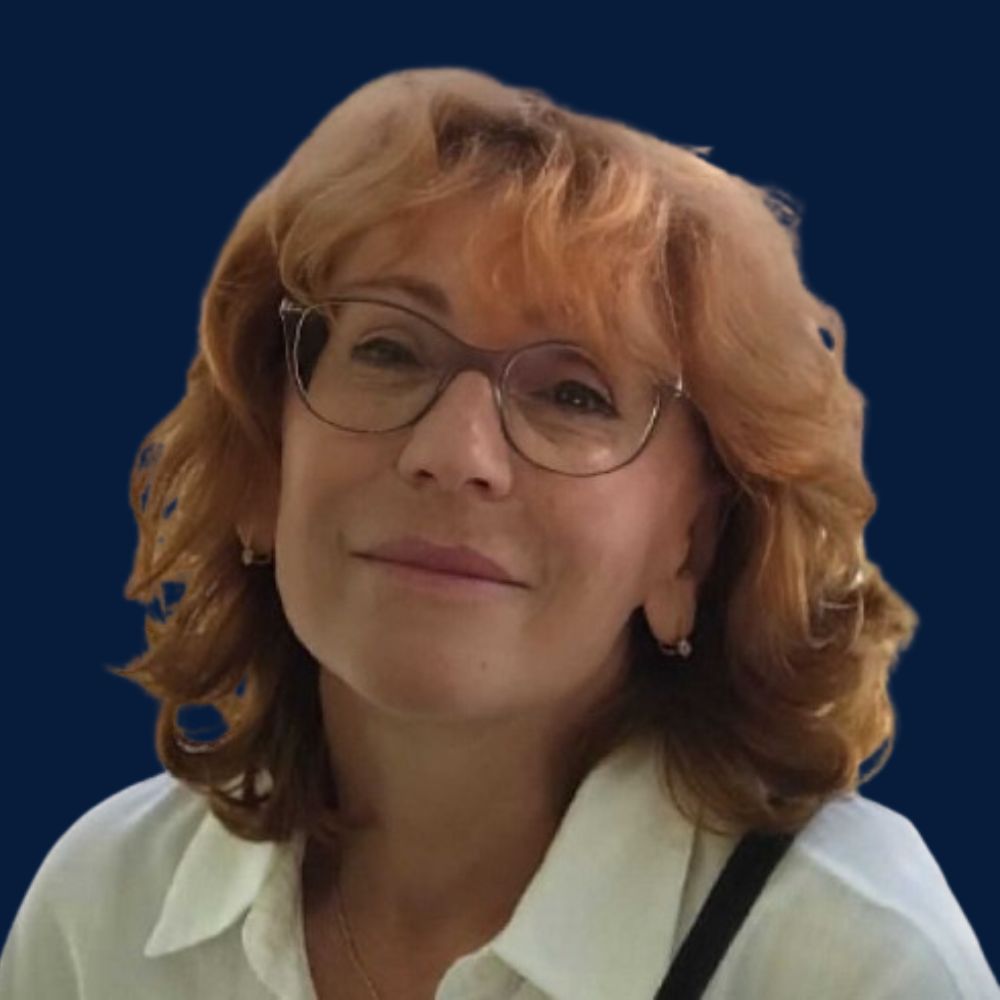
And Dr. Piotr Malicov - Director of Malicov Center for Neurology and Advanced Medicine, neurologist specializing in headaches and migraine, and Chairman of the Migraine and Headache Association.