
EMG
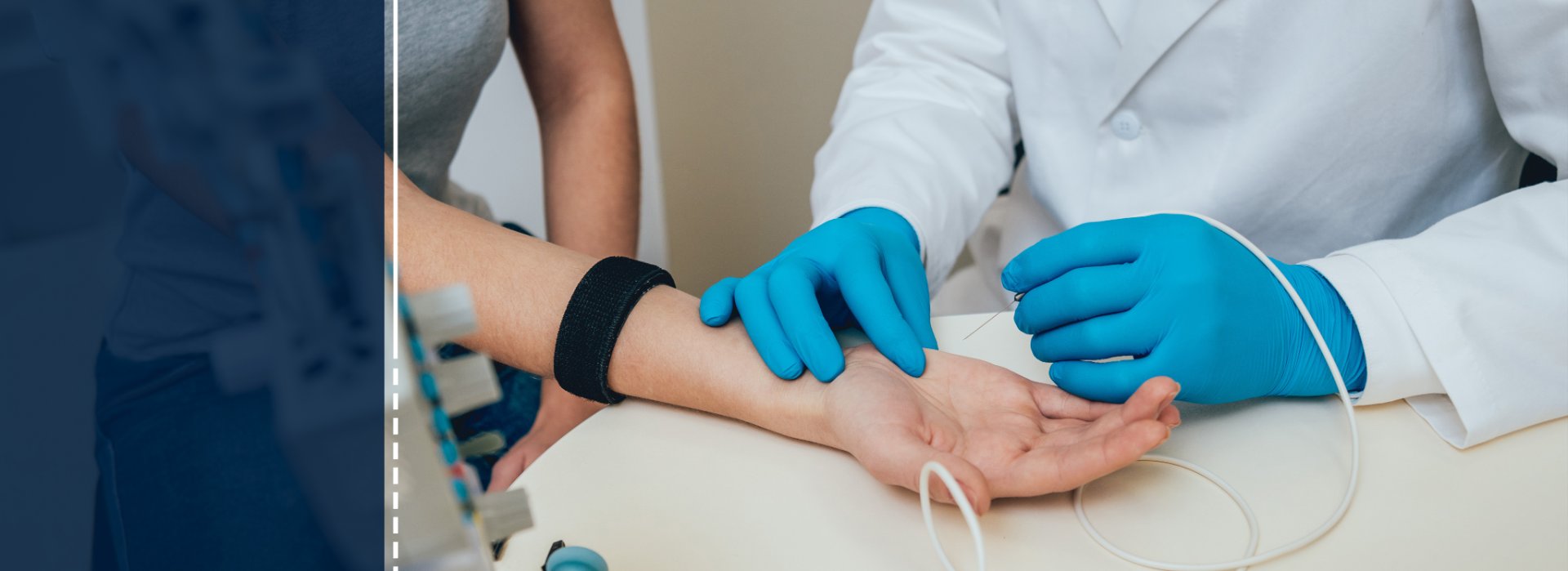
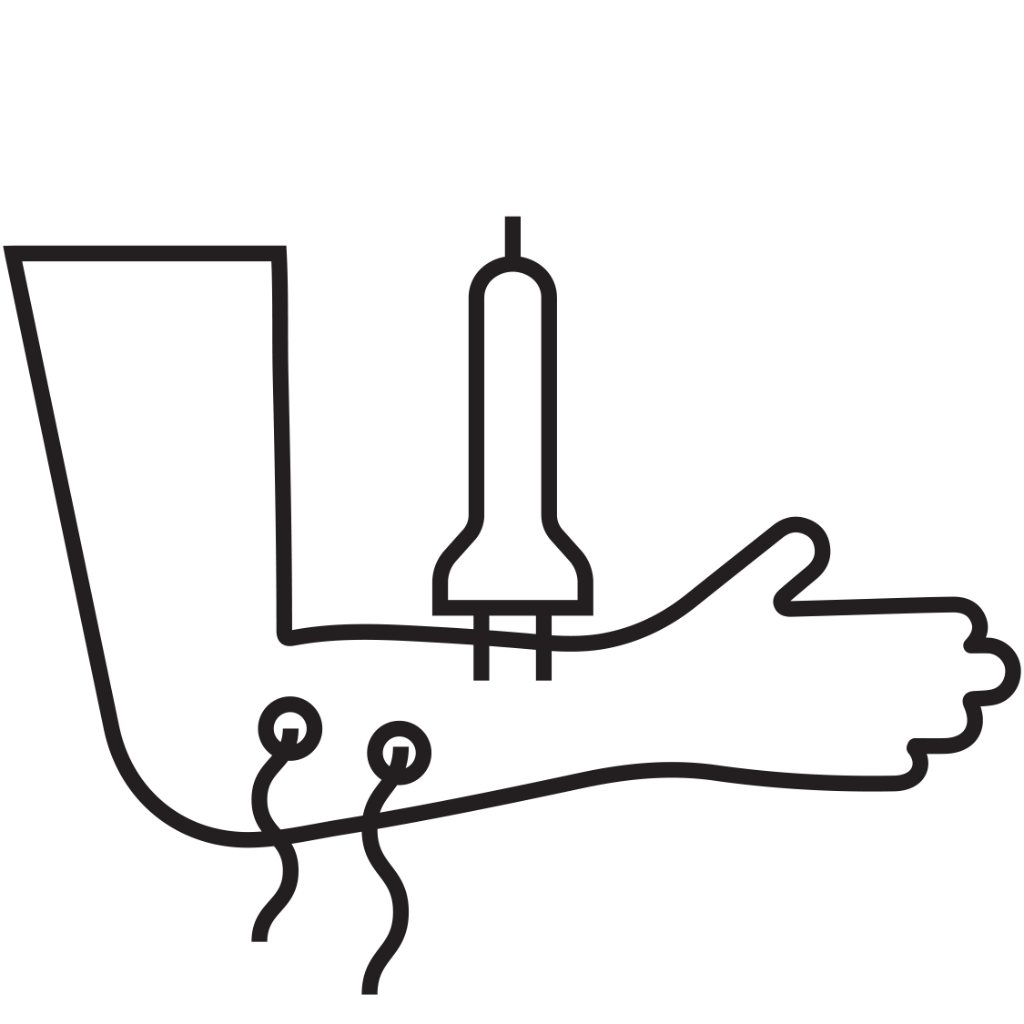
The EMG test is performed together with a NCT (Nerve Conduction Test). The combination of these two tests is designed to assess the health and function of the muscles and the nerves that control them, providing a comprehensive and accurate diagnosis of neurological and muscular problems. During the test, electrical stimuli are applied, and the electrical activity is measured at various points along the nerve. Additionally, a fine needle is inserted into the muscle being tested to measure the electrical responses when the muscle is activated.
Using this test, we can diagnose the following conditions:
- Peripheral Nervous System Diseases (the peripheral nerves): Carpal Tunnel Syndrome, diabetic neuropathy, neuropathic pain in the legs, and more.
- Muscle Diseases (Myopathies): Muscle weakness of hereditary origin, myositis (muscle inflammation), and more.
- Spinal Disorders: Radiculopathy (nerve compression due to disc herniation), Cauda Equina Syndrome, and more.
- Neuromuscular Junction Diseases: ptosis (drooping eyelids), double vision, for Myasthenia Gravis, and more.
- Spinal Cord Diseases: Polio, ALS (Amyotrophic Lateral Sclerosis), and more.
Obtaining reliable and accurate results from an EMG test is crucial for diagnosing neuromuscular diseases. Therefore, it is important to have the test performed in a professional setting that offers a comprehensive diagnosis along with medical support. The Neurology & Migraine clinic provides immediate access to EMG tests and offers personalized diagnosis and care for each patient, conducted by top neurology experts.